You've sorted your vitamin D, you drink more water than you did in your twenties, and you still catch every cold that goes round the office by November. Zinc rarely comes up in that conversation, and it's one of the more likely gaps sitting behind it.
The Mineral That Never Makes the List
Ask most women which nutrients they're tracking and you'll hear iron, vitamin D, maybe magnesium or B12. Zinc barely gets a mention, despite sitting behind more than 300 enzyme reactions in the body, from wound healing to DNA repair to the way your immune cells actually recognise a threat. The UK's NHS and the US National Institutes of Health both set the recommended daily intake for adult women at 8mg, rising to 11mg in pregnancy and 12mg while breastfeeding — modest numbers on paper, but ones a surprising number of otherwise well-fed women don't consistently hit.
Part of the reason zinc slips through is that it doesn't have a single dramatic symptom the way iron deficiency has fatigue or vitamin D has bone pain. It shows up as a cluster of smaller things instead: a cut that's still pink after ten days, a cold that drags into its third week, hair that's thinning evenly across the scalp rather than in one obvious patch. Menstruating women lose a small but real amount of zinc every cycle alongside iron, plant-forward diets bind a meaningful share of dietary zinc before it can be absorbed, and years of low-calorie dieting — even mild, well-intentioned dieting — tend to trim exactly the foods, red meat, shellfish, nuts, that supply most of it. Hormonal contraceptives have also been shown in a handful of small studies to modestly lower circulating zinc levels, one more small factor stacking the deck. None of that means anything is wrong with how you eat. It means zinc needs slightly more deliberate attention than the wellness conversation usually gives it, the same way iron eventually earned its own aisle in the supplement shop.
The Signs Worth Paying Attention To
None of them, alone, proves anything.
But if several of these have been true for a couple of months running, it's worth asking your GP for a zinc panel alongside the usual iron and thyroid checks:
- Cuts, scrapes or blemishes that take noticeably longer to close up than they used to
- Colds or minor infections that last longer than a week and seem to happen back to back
- A dulled sense of taste or smell that isn't explained by a current illness
- Diffuse hair shedding rather than a single bald patch, often noticed first in the shower drain
- Persistent breakouts along the jawline that don't respond to the usual skincare adjustments, and for some women, white flecks on the fingernails — though this last one is a weaker signal than the others and shows up for plenty of unrelated reasons too
The Foods That Actually Move the Needle
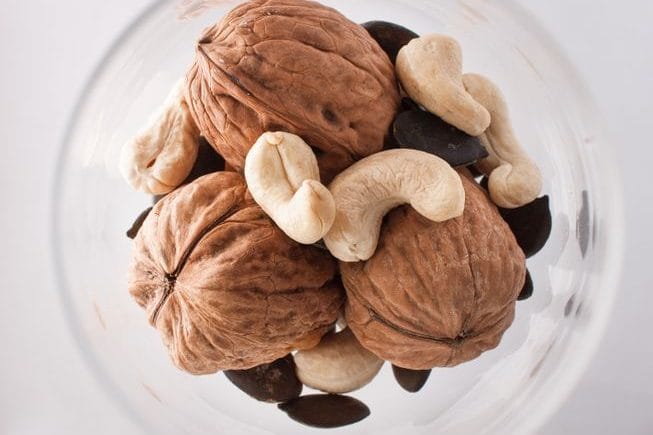
Oysters are, gram for gram, in a category of their own: six medium oysters supply somewhere around 30mg of zinc, roughly four times the daily target in a single starter. Red meat is the next most reliable source — a 100-gram serving of lean beef chuck carries close to 7mg, nearly a full day's worth, and pairs the zinc with easily absorbed iron in the same bite. For anyone eating mostly plant-based, the maths gets harder but not impossible: a cup of cooked chickpeas holds around 2.5mg, an ounce of pumpkin seeds about 2.2mg, and an ounce of cashews roughly 1.6mg. None of those single-handedly matches beef or oysters, which is exactly why the Institute of Medicine recommends vegetarians and vegans aim for closer to 50% above the standard RDA — call it 12mg rather than 8mg — to offset the phytates in beans, grains and seeds that block a meaningful share of zinc absorption. Choose sprouted grain bread over regular whenever the price difference is small; it's one of the easiest zinc wins going, and it doesn't ask you to change a single meal you already cook. Soaking dried beans overnight before cooking cuts that phytate effect down further, and it costs nothing but a bit of forward planning the night before.
More Than Acne Folklore
Zinc's reputation for skin has always been tangled up with sunscreen, and zinc oxide sitting on top of the skin is a completely different mechanism from zinc eaten as food or taken as a tablet — the two get confused constantly in skincare marketing. Taken orally, zinc has a genuine, if modest, dermatology track record: several controlled trials have used zinc gluconate at 30mg a day for eight weeks or longer to treat moderate inflammatory acne, with meaningful, though not dramatic, improvement compared with placebo. That's the catch most people miss. The studies showing benefit almost always ran for two months minimum, and most people who try a zinc supplement for their skin quietly give up around week three when nothing visible has changed yet — which is exactly the point where the trial data says results are only just starting to show.
The Hormone Connection Nobody Explains Well
Zinc sits at the centre of two processes that matter enormously for cycle-related symptoms: it's required to convert thyroid hormone from its inactive form, T4, into the active form your cells actually use, T3, and it's involved in progesterone production during the second half of your cycle. Low zinc status has shown up repeatedly in research on women with more severe PMS, and small randomised trials giving zinc supplements alongside standard PMS management have reported reduced symptom severity compared with placebo groups. The link with polycystic ovary syndrome is similarly consistent: women with PCOS tend to run lower on zinc than women without it, and some of the trials testing zinc alongside standard PCOS treatment have reported improvements in insulin markers and androgen-related symptoms like excess hair growth. If your cycle has gone from mildly annoying to genuinely disruptive over the past year, and you've already had your thyroid and iron checked, ask for zinc to go on that same blood panel before reaching for another supplement stack.
Supplementing Without Overshooting
The safe upper limit for zinc from food and supplements combined is 40mg a day for adults, a ceiling that's easy to cross if you're taking a multivitamin, a separate zinc tablet, and cold-season lozenges all at once without adding up the total. Skip the zinc oxide capsules stacked at the front of every pharmacy shelf: oxide is the cheapest form to manufacture and also the worst absorbed of the common options, and you're better off spending the extra two or three pounds on a picolinate or citrate formula, which the body actually takes up. Brands like Thorne and NOW Foods sell zinc picolinate in the 15–30mg range for roughly £10–18 a bottle, which covers most people's needs without going near the upper limit. The cold-lozenge question deserves its own note, because the evidence behind it is real but narrower than the marketing suggests. A widely cited Cochrane review by Finnish researcher Harri Hemilä found that zinc acetate or gluconate lozenges, taken at a total dose above 75mg a day, shortened the average cold by roughly a third — but only when started within 24 hours of the first scratchy throat, and only with the acetate or gluconate forms actually tested in the trials, not the flavoured gummy versions that now dominate the shelf. Take a high dose like that for a week during a cold and then stop; running high-dose lozenges continuously for months, rather than just through a single cold, is the scenario most likely to tip you toward the copper deficiency that chronic zinc excess is known to cause, since the two minerals compete for absorption in the gut.
What This Looks Like on an Actual Grocery Run
Most of a week's zinc target can be handled without opening a supplement bottle at all. A £4 tin of chickpeas, a bag of frozen shelled edamame, a handful of pumpkin seeds tossed into porridge, and — once a month, budget allowing — a half-dozen oysters at the fish counter cover the bulk of it for anyone eating a normal, unrestricted diet. Beef mince in a Sunday bolognese does more for your zinc status than most people realise, and it's probably already sitting in the weekly shop for plenty of households. The mineral doesn't need its own wellness routine to matter; it mostly needs a place at meals that were likely already reasonably balanced, just missing the one food group that happens to carry it.