You did everything right this week. Slept seven hours, hit your workouts, ate your vegetables. And by Thursday afternoon you're staring at a wall, foggy and flattened, wondering why a normal day feels like wading through wet sand. Before you blame the heat or your phone or your job, there's a quieter suspect worth checking: iron.
Iron is the mineral that lets your blood carry oxygen, which is a polite way of saying it powers basically everything you do. When it runs low, the symptoms are vague enough to be brushed off for months — fatigue, breathlessness on the stairs, cold hands, hair that sheds more than it used to, a strange craving to chew ice. Women are far more likely to slip into that low-iron zone than men, and summer has a way of nudging the problem along. So let's talk about who's actually at risk, what to eat, and the one pairing trick that makes a genuine difference.
Why women run low on iron in the first place
The blunt answer is menstruation. Every period costs blood, and blood is where most of your iron lives, so anyone with regular cycles is running a slow, monthly drain that men simply don't have. The numbers reflect it: adult women are advised to get around 18 mg of iron a day, against 8 mg for men, and that gap exists for exactly this reason. Heavy periods push the need higher still, and plenty of women have heavier bleeds than they realise because they have nothing to compare them to.
Pregnancy ramps the demand up dramatically, and breastfeeding keeps it elevated. But you don't need to be pregnant to be vulnerable. Endurance athletes — runners especially — lose iron through a mix of foot-strike damage to red blood cells, sweat, and gut losses, which is why so many female marathoners end up supplementing. If you've cut back on red meat, gone vegetarian, or leaned hard into a plant-based diet without thinking about iron specifically, you're in a higher-risk group too. None of these are problems on their own. Stacked together — say, a vegetarian runner with heavy periods — they add up fast.
There's a catch worth naming here. Low iron and full-blown iron-deficiency anaemia are not the same thing. You can have depleted iron stores, feel rotten, and still show a "normal" result on a basic blood count, because your body protects your haemoglobin until the stores are genuinely scraped bare. The marker that catches the early stage is ferritin, and it's not always on a standard panel. If you feel persistently wiped out, asking your GP specifically for a ferritin test is one of the more useful things you can do.
The summer angle most people miss
Heat doesn't drain iron the way it drains water, but it changes the picture in two sneaky ways. The first is sweat. You lose a small amount of iron in sweat, and over a long, hot, active summer that adds up — more so if you're training outdoors in July rather than sitting in an air-conditioned office.
The second is appetite. When it's 30°C out, heavy iron-rich meals are the last thing anyone wants. The roast dinners and lentil stews that quietly topped up your stores in winter get swapped for salads, smoothies, and cold plates, which often carry far less iron. It's not that summer food is bad — it's that the easy, satisfying summer choices tend to skip the iron without you noticing. A chilled gazpacho is lovely, but it won't do for your blood what a bowl of beef and barley does.
Where the iron actually is
Iron comes in two forms, and the difference matters more than most food labels let on. Heme iron, found only in animal foods, is absorbed easily — your body takes up roughly 15 to 35 percent of it. Non-heme iron, the kind in plants, is far fussier, with absorption often down in the single digits. This is the whole reason a vegetarian needs to be more deliberate than a steak-eater, not less.
For heme iron, the heavy hitters are the ones you'd expect and a couple you might not:
- Beef and lamb, with the richer cuts and organ meats well ahead of chicken breast
- Oysters and mussels, which are quietly some of the most iron-dense foods going — a small tin of mussels delivers a serious dose for around £1.50
- Sardines and tinned salmon, cheap and convenient and easy to fold into a summer pasta
- Chicken thigh over chicken breast, since the darker meat carries noticeably more
For non-heme iron, the plant side has more to offer than its reputation suggests:
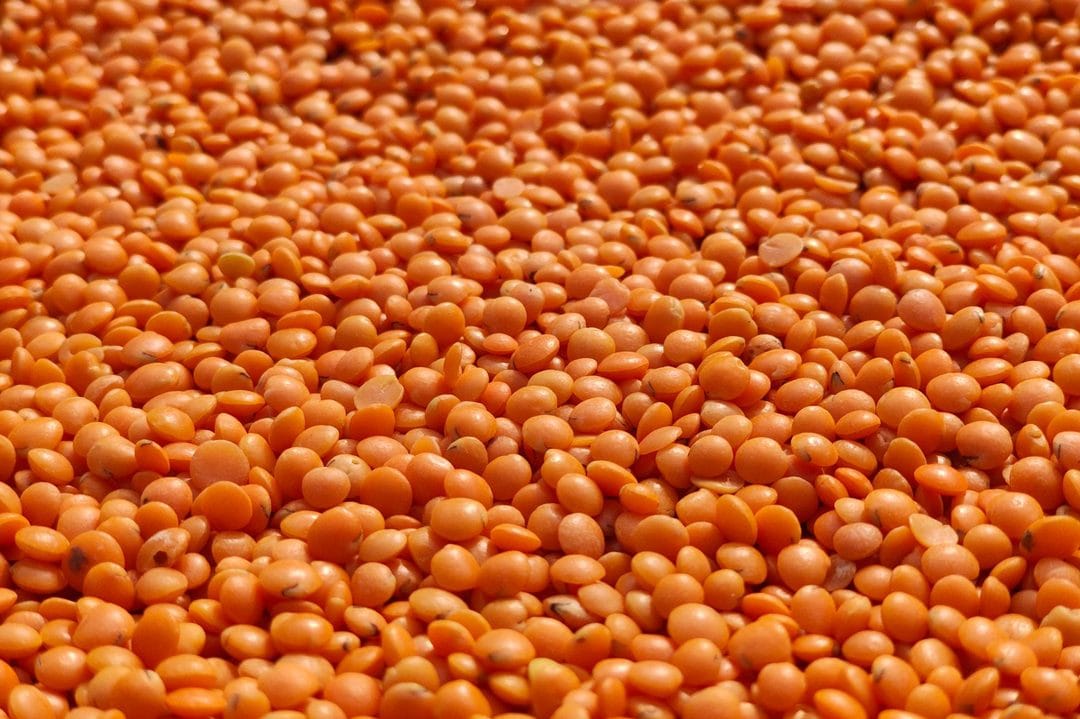
- Lentils and chickpeas — a single cup of cooked lentils brings around 6.6 mg, which is a meaningful chunk of the day
- Tofu and tempeh, especially the calcium-set varieties
- Dark leafy greens like spinach and Swiss chard, though spinach is less of a hero than Popeye implied because its iron is poorly absorbed on its own
- Pumpkin seeds, a handful scattered over a salad doing more work than you'd think
- Fortified breakfast cereals, which are a genuinely easy win if you read the label and pick one that lists iron
Notice what's not on either list: most of what makes up a default summer lunch. A bowl of strawberries, a green smoothie, an iced coffee, a slice of melon — delicious, but iron deserts. That's the gap, sitting in plain sight on a sunny day.
The pairing trick that doubles your absorption
Here's the single most useful thing in this whole piece, and it costs nothing. Vitamin C dramatically increases how much non-heme iron your body absorbs from a meal — by some measures it can more than double it. So the plant-based eater's job isn't just to eat lentils, it's to eat lentils next to something acidic and bright.
In practice that looks like a squeeze of lemon over your spinach, a few slices of red pepper in the chickpea salad, a tomato-based sauce on the bean stew, or strawberries with a fortified cereal. Citrus, peppers, tomatoes, broccoli, kiwi — all do the job. Summer makes this almost effortless, since the season hands you exactly these ingredients at their cheapest and best.
The flip side is the blocker. Tea and coffee contain tannins that sharply cut iron absorption, and the timing is everything: a cup of tea with your meal can knock a real dent in what you take up, while the same cup an hour later barely matters. If you're someone who finishes every meal with a brew, and you're also fighting low iron, that's worth shifting. Calcium competes too, which is why the classic advice is to not lean on a big glass of milk or a calcium supplement at your most iron-important meal of the day.
One small, unglamorous detail makes a difference here as well. Cooking acidic foods like tomato sauce in a cast-iron pan genuinely leaches some iron into the food — not a magic bullet, but a real, measurable bump for the price of nothing.
What I'd actually do this week
If the fog above sounded familiar, don't spiral into supplements straight away — iron pills are notoriously rough on the stomach, and over-supplementing without a deficiency can cause its own problems, so they're not a casual snack. The smarter first move is food, and a ferritin test if the tiredness has been dragging on for weeks.
On the plate, the fix is less about one superfood and more about closing the gap on a few summer meals. Build one proper iron meal into most days — a lentil salad with lemon and red pepper, mussels with crusty bread, a sardine pasta, a stir-fried tofu with broccoli. Keep the tea and coffee for between meals rather than during them. And if you train hard in the heat, take the fatigue seriously rather than treating it as a personality flaw.
The version of low iron that catches most women isn't dramatic. It's the slow, creeping kind that you adapt to until you've forgotten what a good afternoon even feels like. Pull the right foods back onto the plate, pair them with something bright and acidic, and a surprising number of those wet-sand afternoons quietly disappear. The mussels, for what it's worth, are still £1.50 a tin.